Healthier, Longer
Lives for All
New York Academy of Medicine: Advancing Population Health
New York Academy of Medicine (NYAM) advances population health through research, collaboration, and events to address today’s most pressing health challenges.
Discover Our Mission


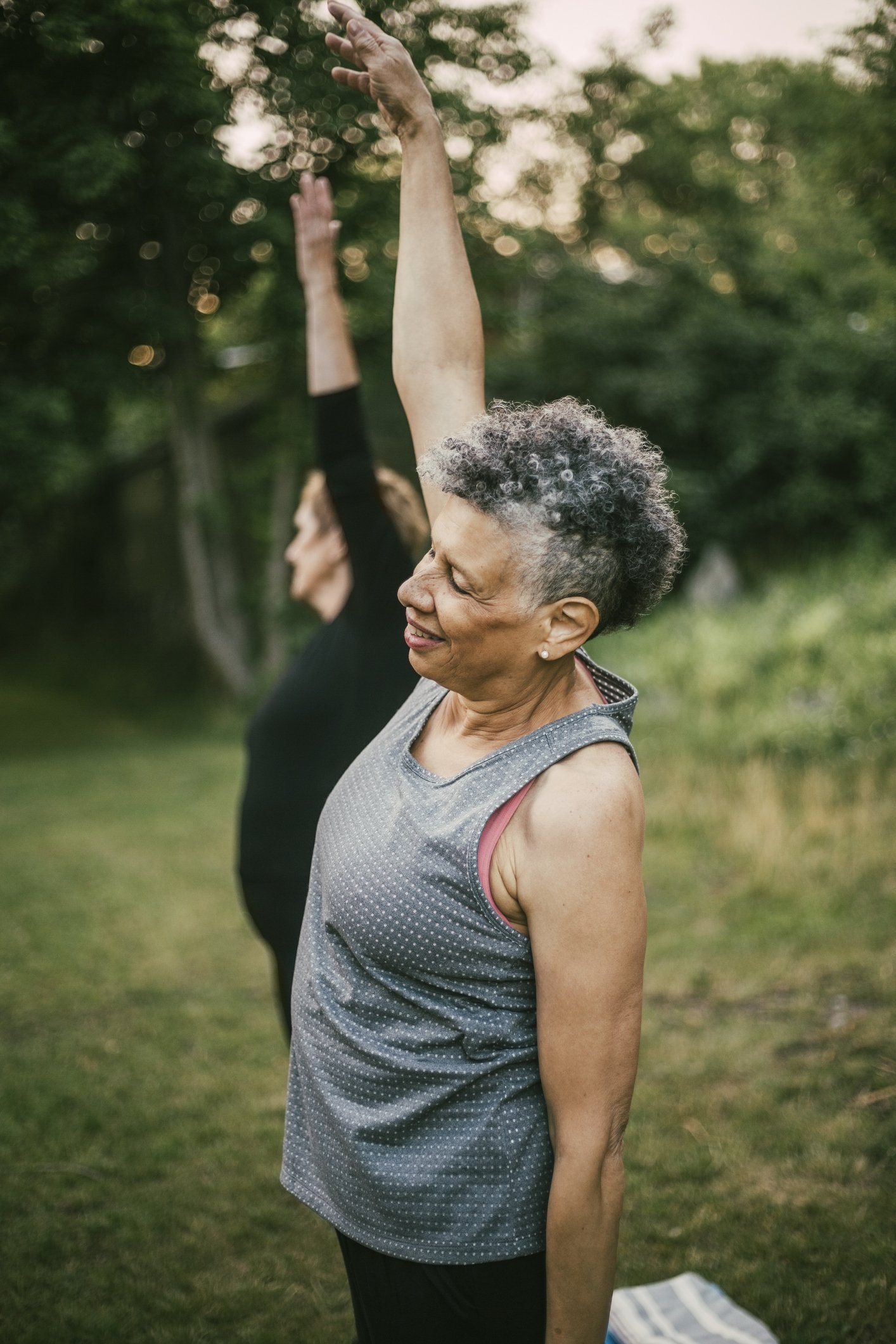

Advancing Health for All Through Research, Partnership, and Practice
Our teams deliver actionable insights that drive equity and impact. Through partnerships with community-based organizations, healthcare institutions, academic centers, and public agencies, we co-create research and programs that respond to real-world needs.
Our work touches all aspects of research — from identifying gaps and designing studies to producing toolkits, dashboards, and policy-relevant findings. The academy helps organizations build capacity through training, convenings, and technical assistance, and we amplify community experiences that shape public understanding and decision-making.
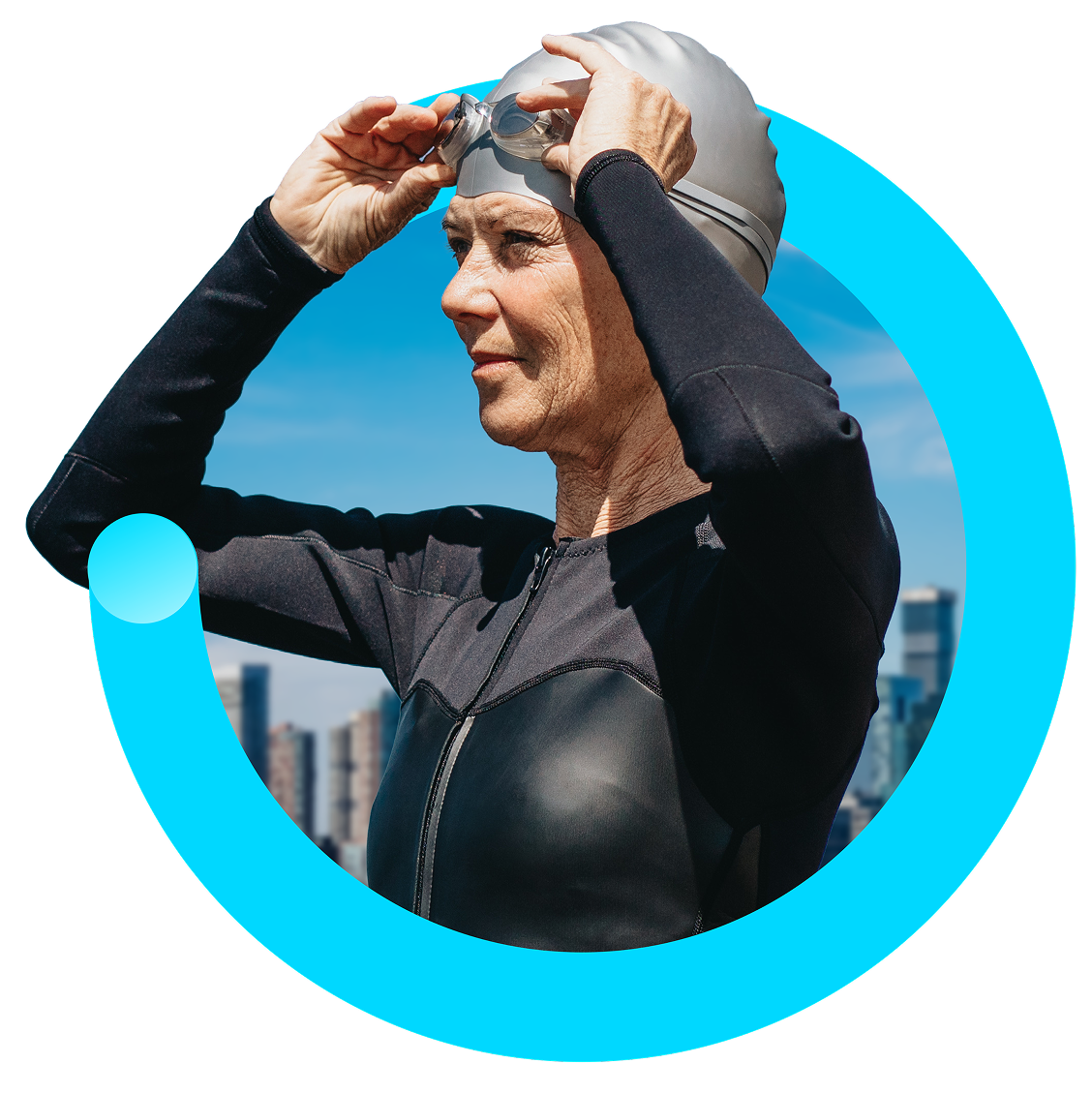
Our Research Approach
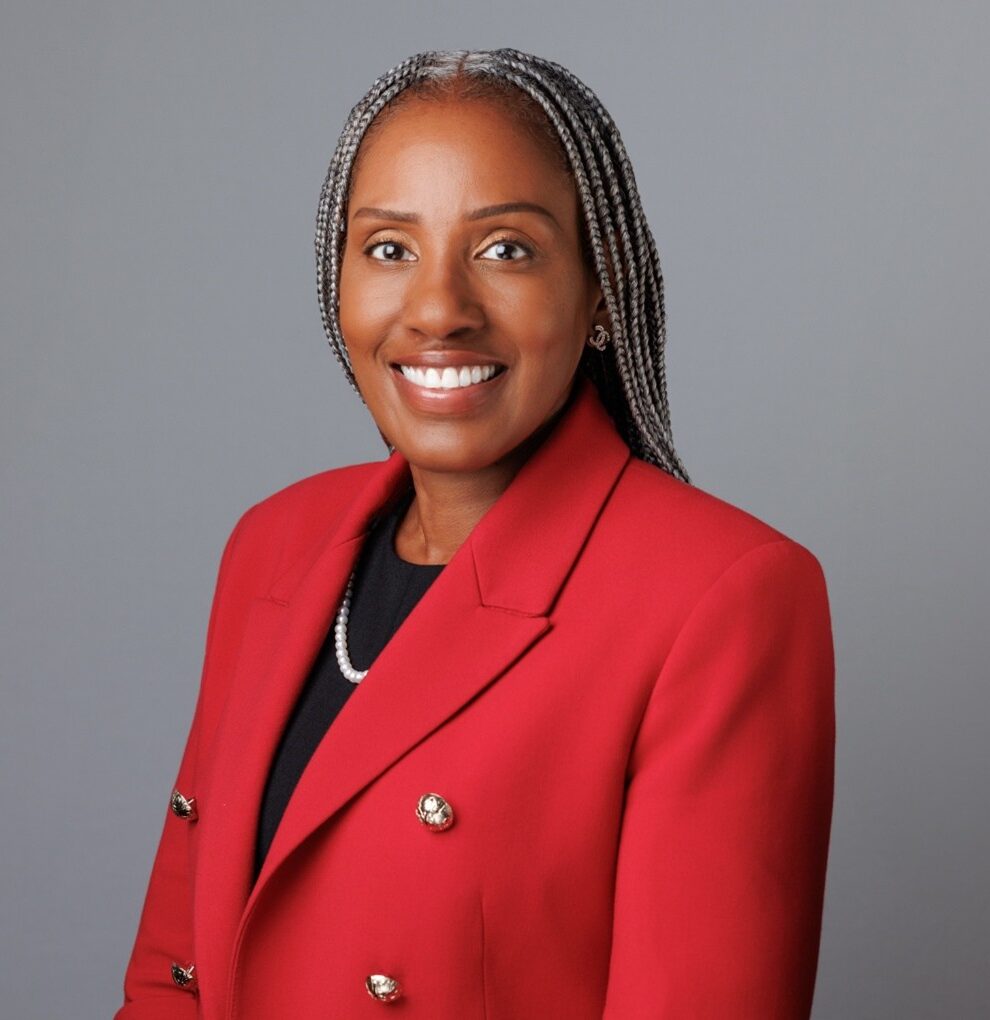
Join Our Fellows Community
Our Fellows and Members represent a dynamic community of visionaries, researchers, and practitioners united in advancing Health for All. Together, we tackle complex challenges and pioneer solutions that transform lives.
178th Anniversary Discourse, Annual Awards, & Meeting of the Fellows
Power Our Progress
Your support amplifies our ability to advance Health for All across New York and our global community. From birth to adulthood and the later stages of life, every contribution fuels evidence-based research, strategic partnerships, and high-impact initiatives that address today’s most critical health challenges.



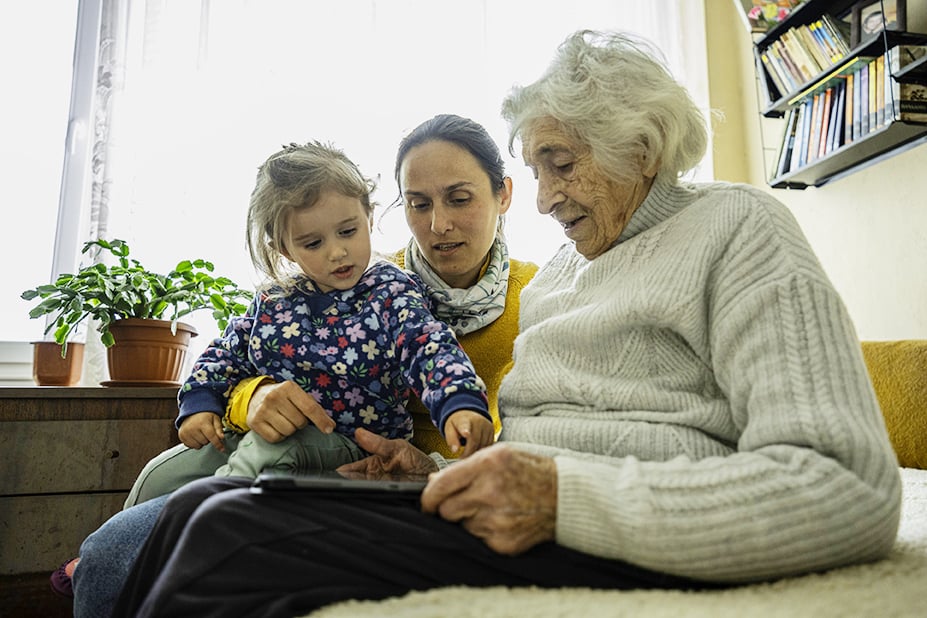

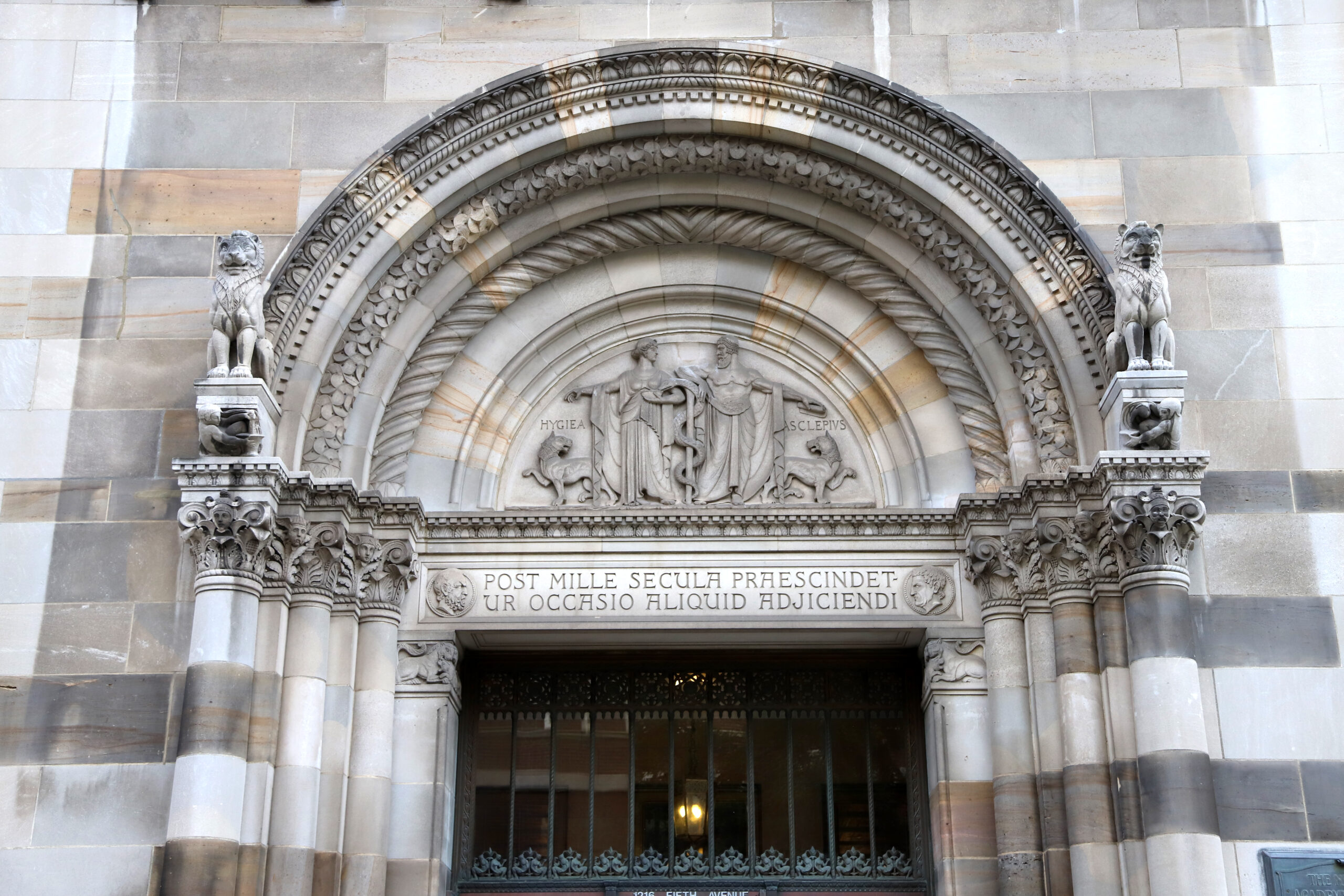
Where Medical History Shapes Tomorrow’s Breakthroughs
Our world-renowned library houses invaluable historical collections spanning medicine and public health. By making these resources freely available to scholars, researchers, and the wider community, we ensure that centuries of medical wisdom continue to inform future health improvements and breakthroughs.