The Academy seeks to understand the physical and social factors of urban living that erode, and those that protect, the health of people living in cities, thereby paving the way for appropriate interventions and preventive measures to make city dwellers healthier and reduce disease prevalence.
Building upon an influential and meaningful past, the Academy is now looking toward its future and planning for the decades to come. A Strategic Planning process that is now underway will result in a clearly defined agenda for the Academy by mid-2008. To view the Strategic Planning event that took place in July 2007 click here.
More than half of the world’s population will live in urban areas before this decade ends and nearly two-thirds within thirty years. By understanding the forces influencing health in urban areas, the Academy paves the way for appropriate interventions and preventive measures to make city-dwellers healthier and to reduce disease prevalence.
The Academy's urban health agenda focuses on safeguarding children’s health and educating young scientists, curtailing the spread of HIV/AIDS and improving care, helping consumers access reliable health information, improving the public’s ability to cope with disasters both as a community and as individuals, and caring for older adults. Across a wide spectrum of topics, the Academy investigates how the physical and social aspects of urban living influence residents’ health, and the public health interventions needed to improve urban health. Some of our foci have included substance abuse, pediatric asthma, geriatric social work, access to health insurance and care, mental health, and health education in New York City public schools. We also work to understand the protective health benefits that urban living provides.
Research, education and advocacy are conducted in a dozen initiatives by over 100 advanced degree professionals, who routinely produce an impressive array of publications in respected peer-reviewed journals, including the Academy’s Journal of Urban Health.
The Academy offers training courses for the general public on how to access reliable health information on the Internet, as well as continuing medical education opportunities for professionals. The Academy attracts renowned scholars, analysts, physical and social scientists, medical practitioners and community leaders from around the world in collaborations that often lead to conferences and symposia on a wide range of health issues. Recent conferences have addressed the future healthcare needs of aging baby boomers, minority mentoring in medical schools, and the future of Medicaid.
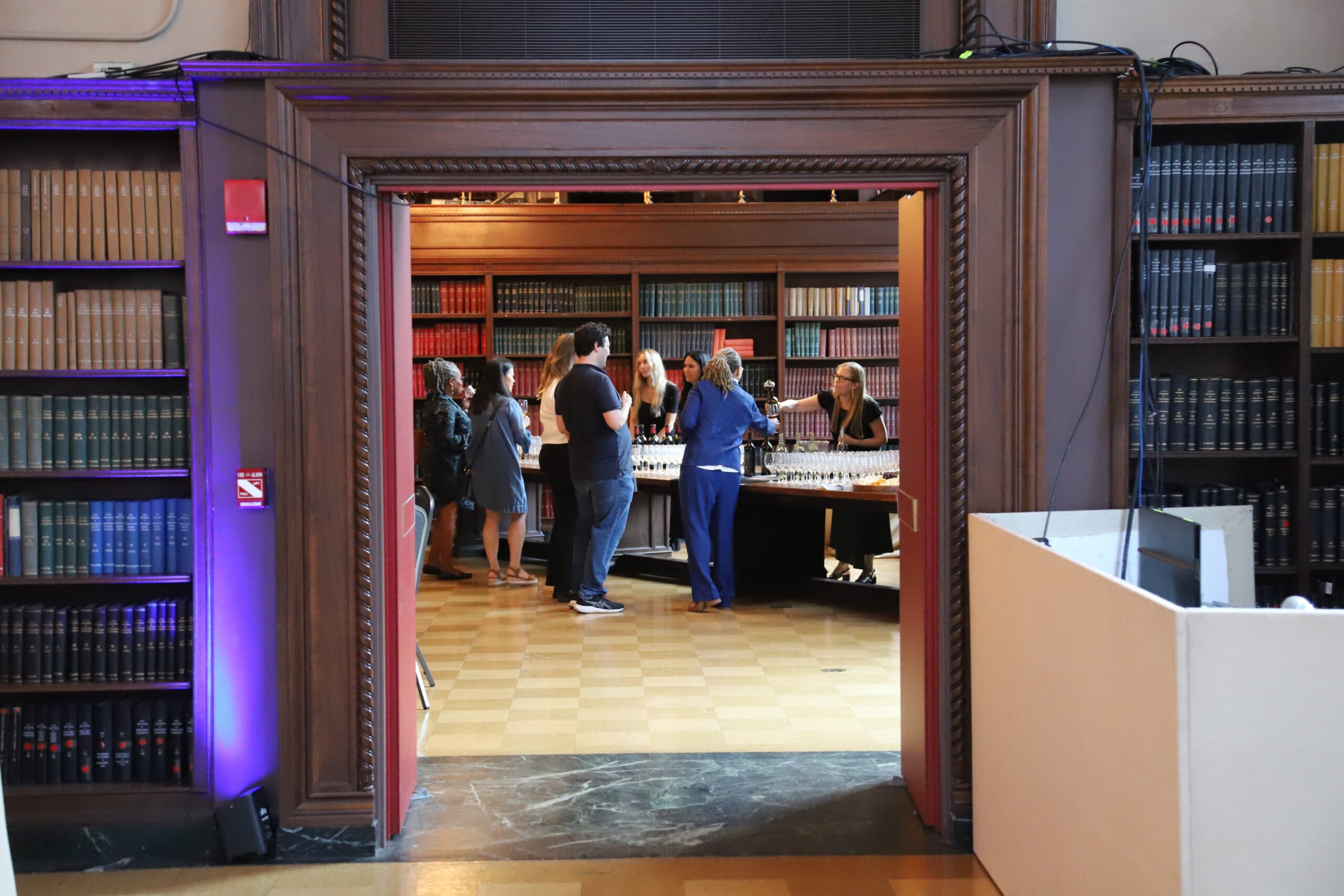
The Academy maintains one of the world's largest privately owned medical libraries. The library contains over 800,000 volumes and 400 current journal subscriptions, as well as more than 50,000 rare and important books, manuscripts, archives and artifacts dating back to 1700 BC. The Academy's is the second largest medical collection open to the general public in the United States.
Since the Academy’s founding in 1847, Fellows have played an important role in the vibrancy of the institution. Fellows are a distinguished group of physicians, academicians and other health professionals involved in issues relevant to the health of the public. Today, the Academy has more than 2,100 Fellows who are leaders in the fields of medicine, social work, nursing, law, education and research. Above all, Fellows are generous individuals who give of their time unselfishly to improve the lives of others, especially those who live in the margins of our society.
The Academy is a 501(c)(3) non-profit organization under the Internal Revenue Code.
View the Strategic Planning event
New York, NY 10029
(212) 822-7200
Jo Ivey Boufford, MD
President
Kathleen O'Donnell, MBA, MPH, MA,
Senior Vice President,
Finance and Administration
David Vlahov, PhD, RN
Senior Vice President, Research
Patricia J. Volland, MSW, MBA
Senior Vice President,
Strategy and Business Development
Jeremiah A. Barondess, MD
President Emeritus
Management Staff
Trustees